As a seasoned designer and SEO strategist with over a decade of experience, I have seen bathroom decor evolve from purely functional to personal sanctuaries. This guide targets homeowners and interior professionals seeking actionable, reliable ideas that balance aesthetics with durability, backed by timeless design principles and practical know-how.
Key Elements of Effective Bathroom Decor
Color and Palette
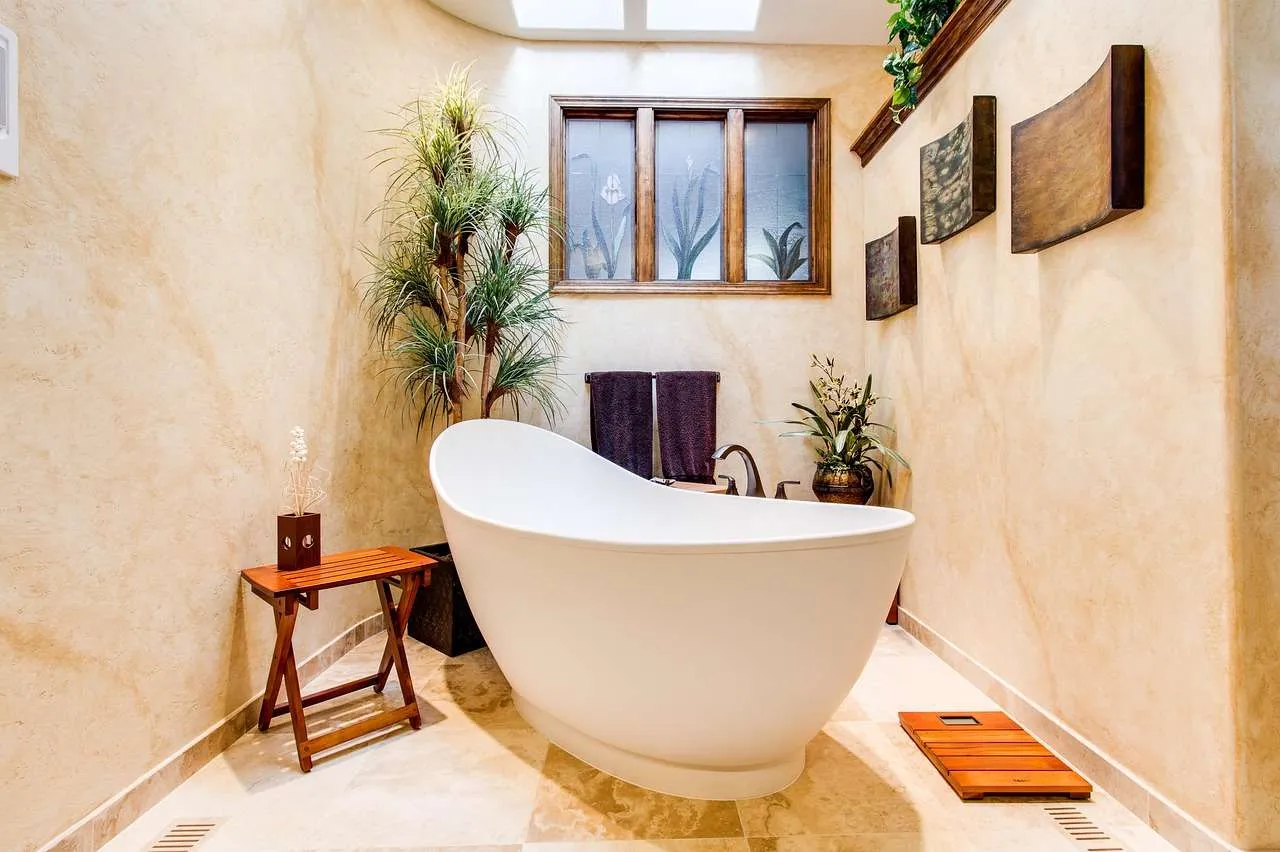
Color sets the mood and influences perceived space. In moist environments, choose washable paints or moisture-resistant finishes. Neutral bases—creamy whites, warm beiges, or cool grays—provide a flexible canvas for textures and accents. Add color with towels, accessories, and a few statement tiles, not every surface. For larger bathrooms, consider airy light tones paired with natural wood or stone textures to create warmth without sacrificing cleanliness.
Materials and Surfaces
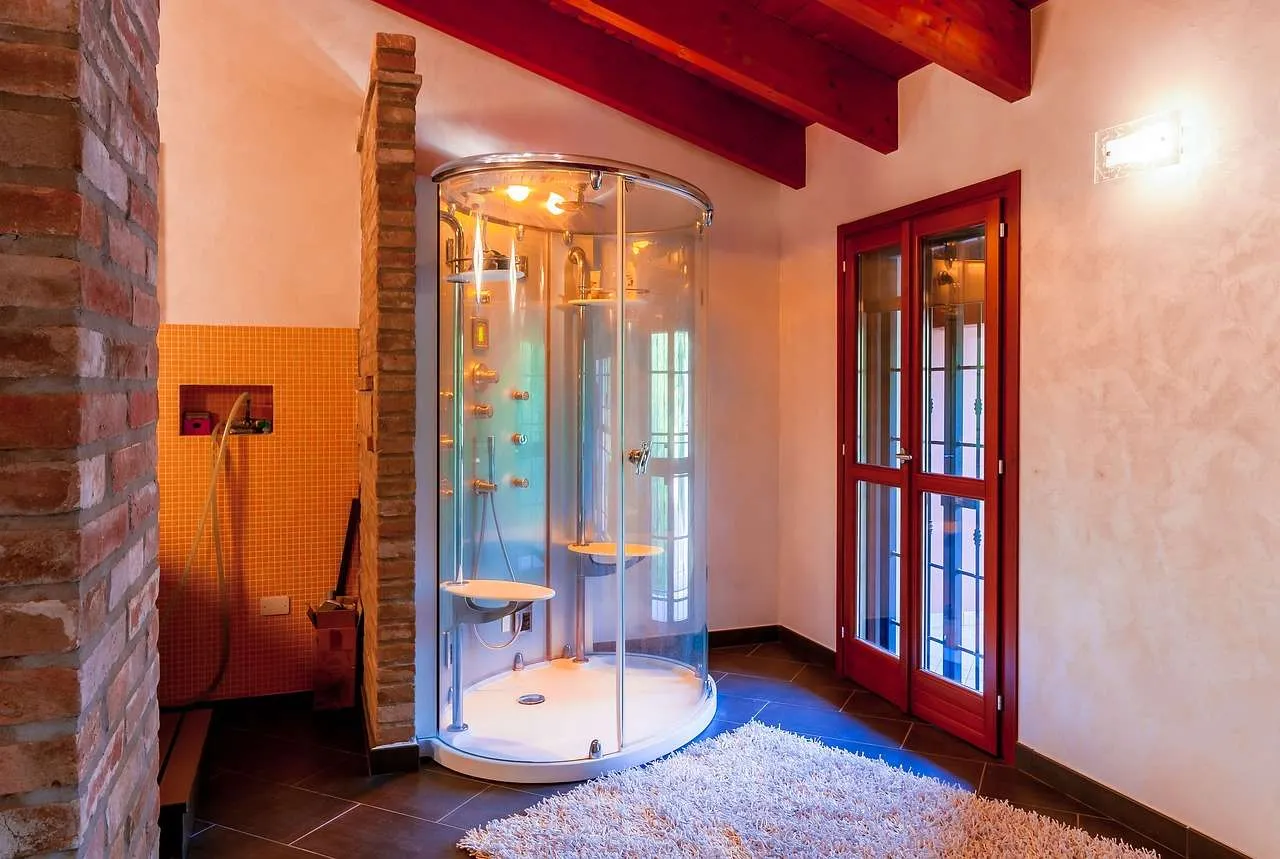
Durable, moisture-resistant materials are essential. Porcelain or ceramic tiles, quartz or solid-surface countertops, and undermount sinks reduce maintenance. Tapware in brushed nickel, matte black, or polished chrome can define the room’s character. Choose vanity installations with concealed storage to minimize clutter, and select shower enclosures with low-maintenance glass coatings to ease cleaning.
Lighting and Mood
Layer lighting to support tasks (such as shaving or applying makeup) and create ambiance. A combination of ceiling ambient lighting, task lighting around mirrors, and subtle accent lighting works best. Opt color temperatures in the 2700–3000K range for a warm, spa-like feel. If daylight is limited, rely on brighter task lighting and reflective surfaces to bounce light.
Layout, Storage, and Durability
Smart Layouts for Small Bathrooms
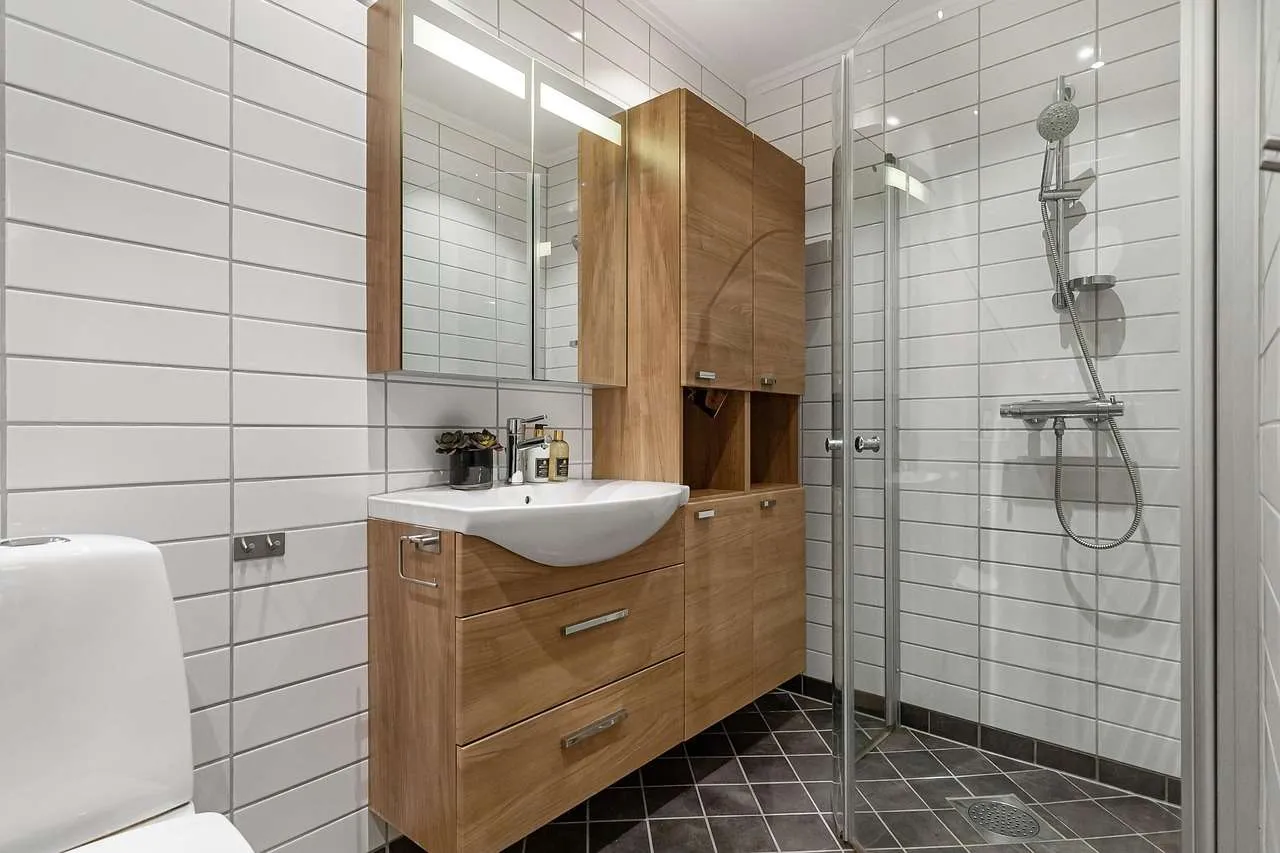
In compact spaces, wall-mount vanities, recessed medicine cabinets, and tall storage can free floor area. Try pocket doors or hinged doors that swing less, and use built-in niches for toiletries. Use generous but shallow drawers to keep items organized without bulk.
Popular Styles and How to Choose
| Style | Core Look | Best For | Pros | Cons |
|---|---|---|---|---|
| Modern | Clean lines, neutral palette | Contemporary homes with good light | Timeless, easy to clean | Can feel cold without warm textures |
| Minimalist | Essential components, concealed storage | Small spaces, uncluttered feel | Maximizes space, calm | May require premium fixtures; discipline needed |
| Rustic | Warm woods, stone textures | Cozy retreats, country homes | Inviting, durable | Moisture-prone woods; higher maintenance |
| Spa-like | Soft textures, natural tones | Relaxing, luxury retreats | Calm ambiance, premium materials | Often higher cost and longer lead times |
Budgeting and Sourcing Tips
Plan with a phased budget: core fixtures first (toilet, vanity, shower) and decorative finishes second. Compare tile options by durability, slip resistance, and maintenance; budget-friendly porcelain can emulate stone at a lower cost. Source from reputable brands with transparent warranties and service. Ask for samples, verify anti-microbial coatings, and confirm installation requirements with your contractor. If you’re renovating, seek an independent design consultant to validate scope and timelines, which protects both quality and cost efficiency.
Maintenance, Safety, and Accessibility
Choose non-slip flooring, ensure proper ventilation to reduce mold, and install easily cleanable surfaces. Consider safety features such as grab bars in showers, bench seating, and adjustable shower heads for comfort and accessibility. Regular resealing of stone or grout maintenance keeps surfaces looking new and extends their life.
Conclusion, a well-planned bathroom decor blends style with durability, ensuring a space that remains beautiful and functional for years.